Grade 12 Physics Project

Building and Testing an Electromagnetic Crane

For this project I built a small crane that uses an electromagnet to pick up metal washers. The main goal was to connect a real prototype to the physics of current, coils, magnetic fields, and force.

Electromagnetism Circuit design Prototype testing Real data
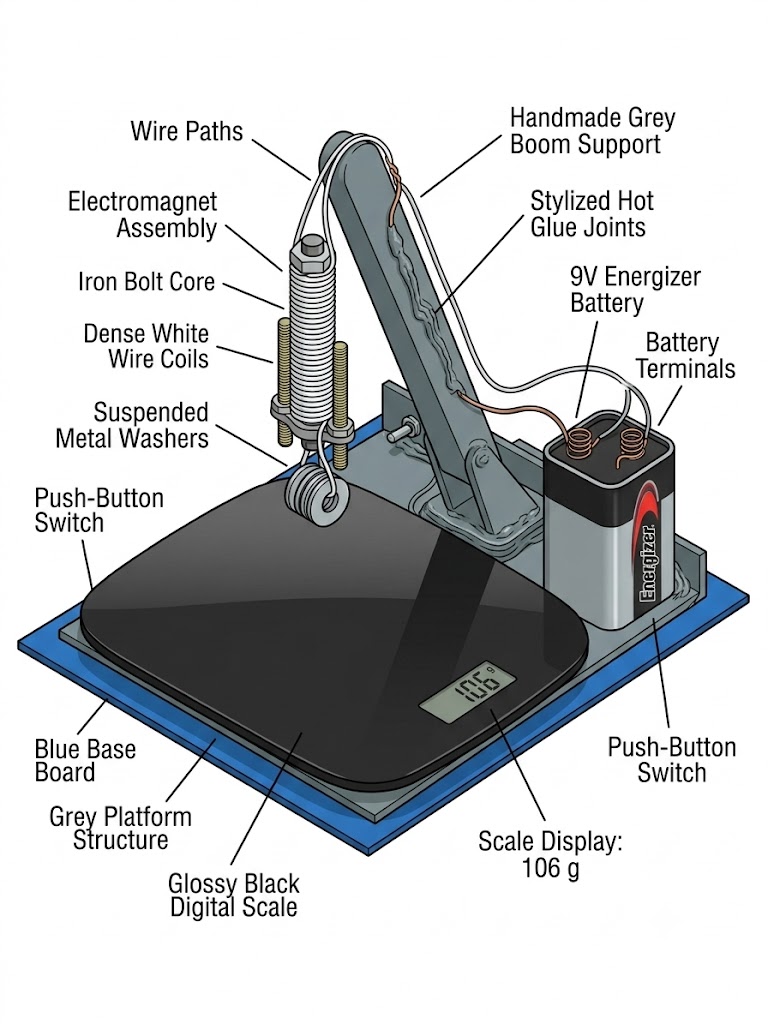
Labeled diagram of my electromagnetic crane prototype
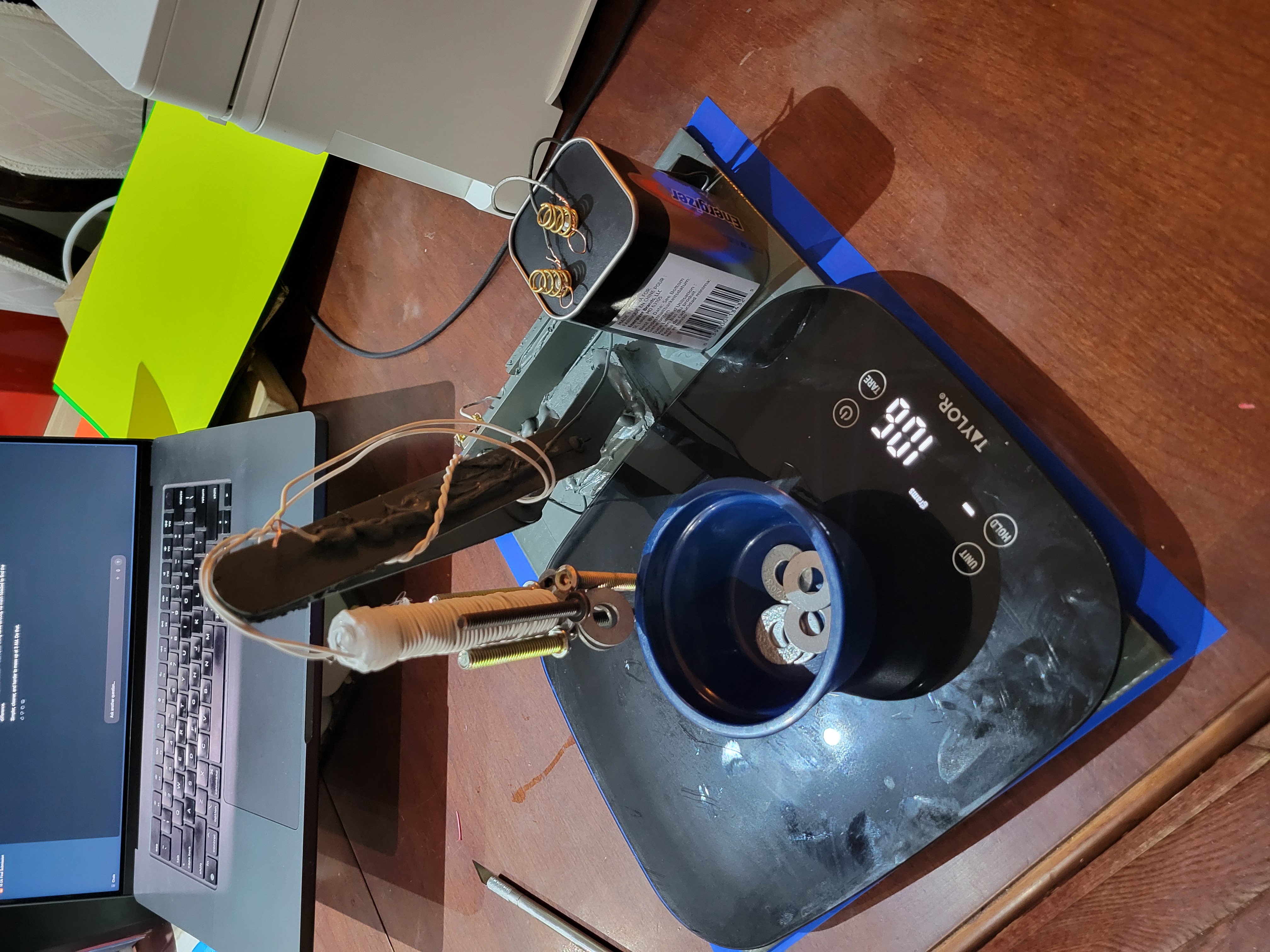
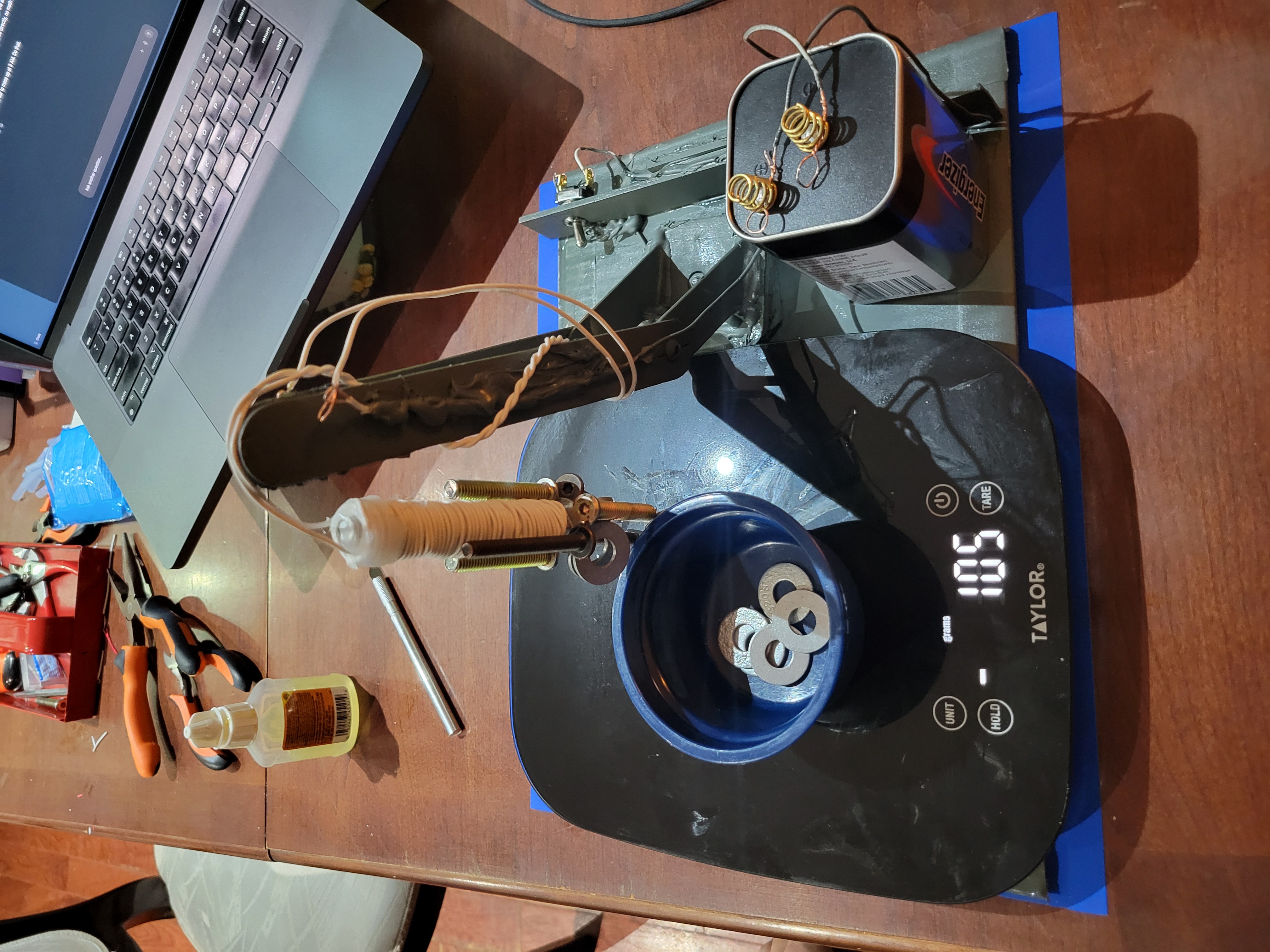
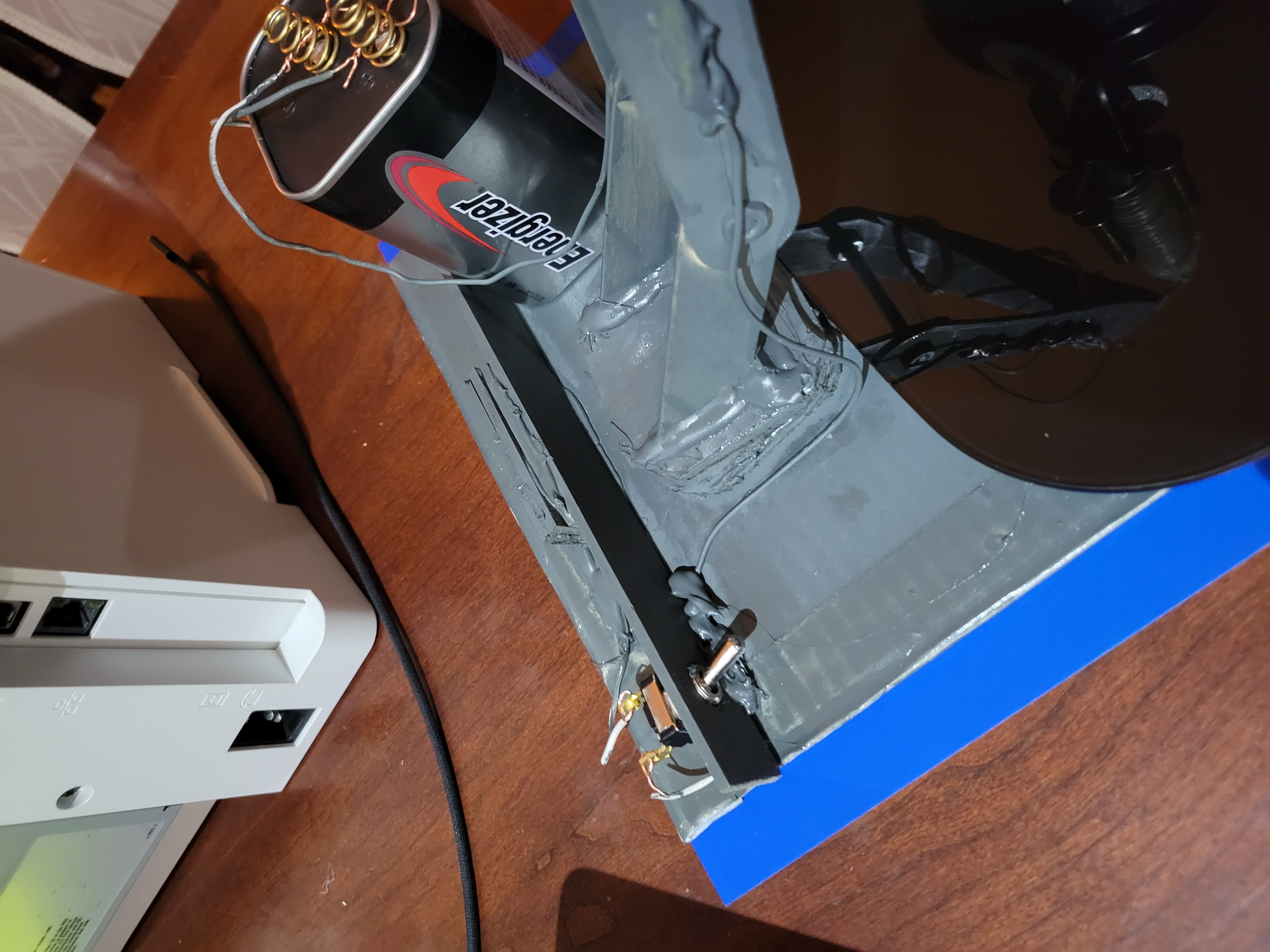
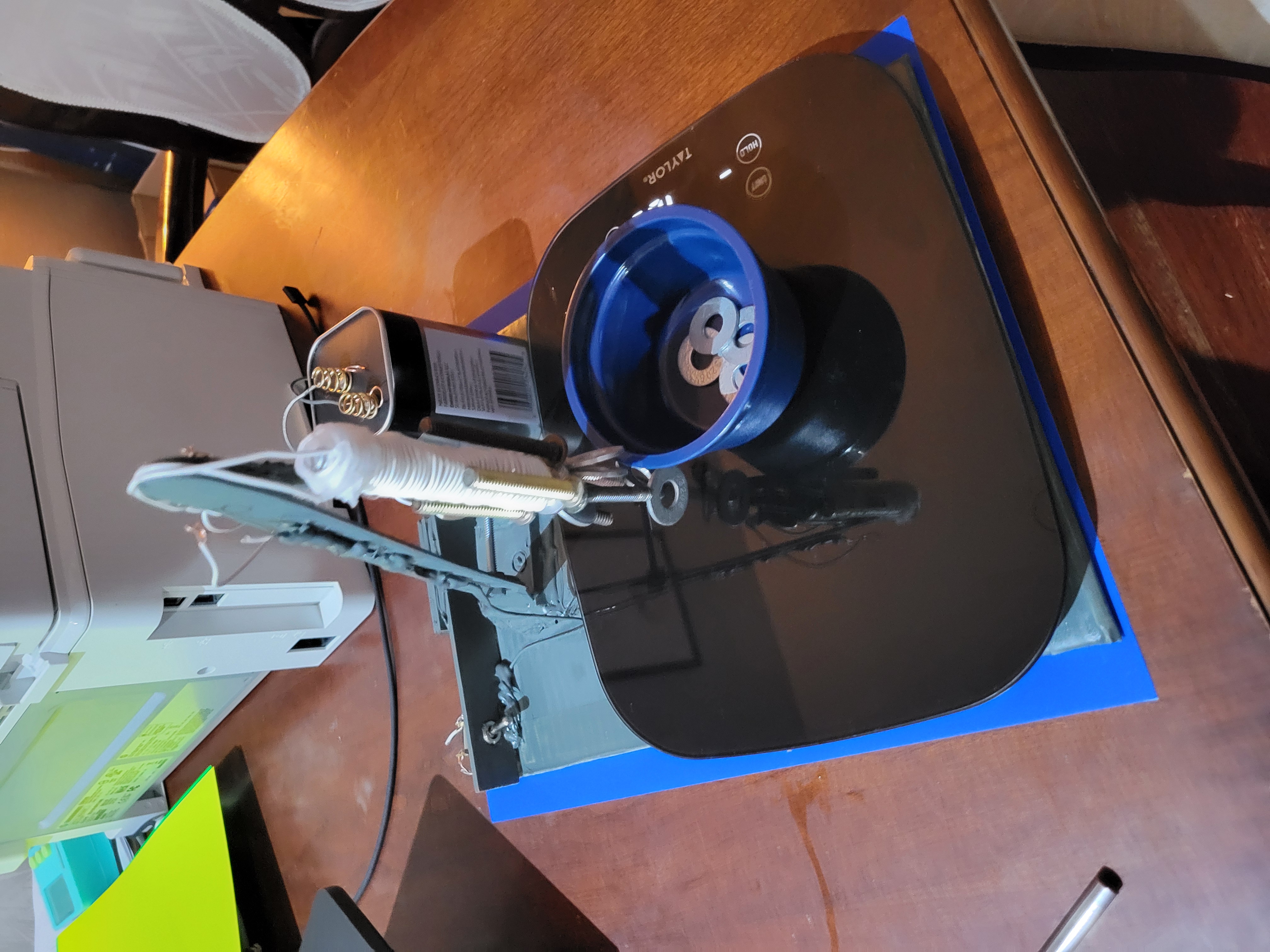
My crane setup with the battery, switch, boom, coil, and scale.

What I Built

My model uses a battery, a switch, insulated wire, and a metal bolt wrapped with coils. When the circuit is closed, current flows through the wire and creates a magnetic field. The iron bolt helps focus that field, so the end of the crane can lift washers.
My Question

I wanted to see how changes in the electromagnet affect lifting strength. I focused on coil turns, current, core material, and contact with the metal washers because those were things I could actually test in my build.

Why It Matters

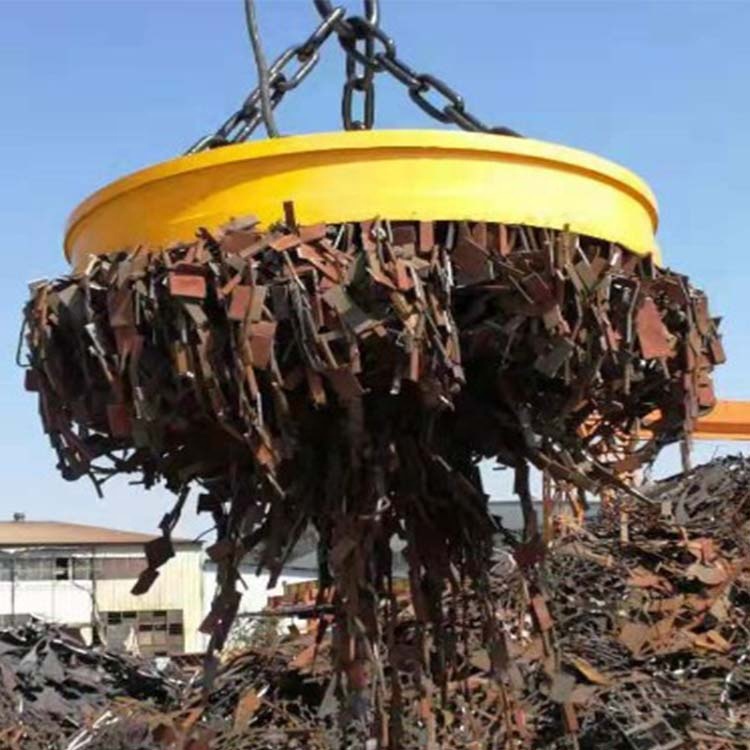
Electromagnets are used in scrap yards, recycling systems, MRI machines, and maglev trains. The same basic idea in my small model shows up in much larger technology.

Physics Background

How the Electromagnet Works

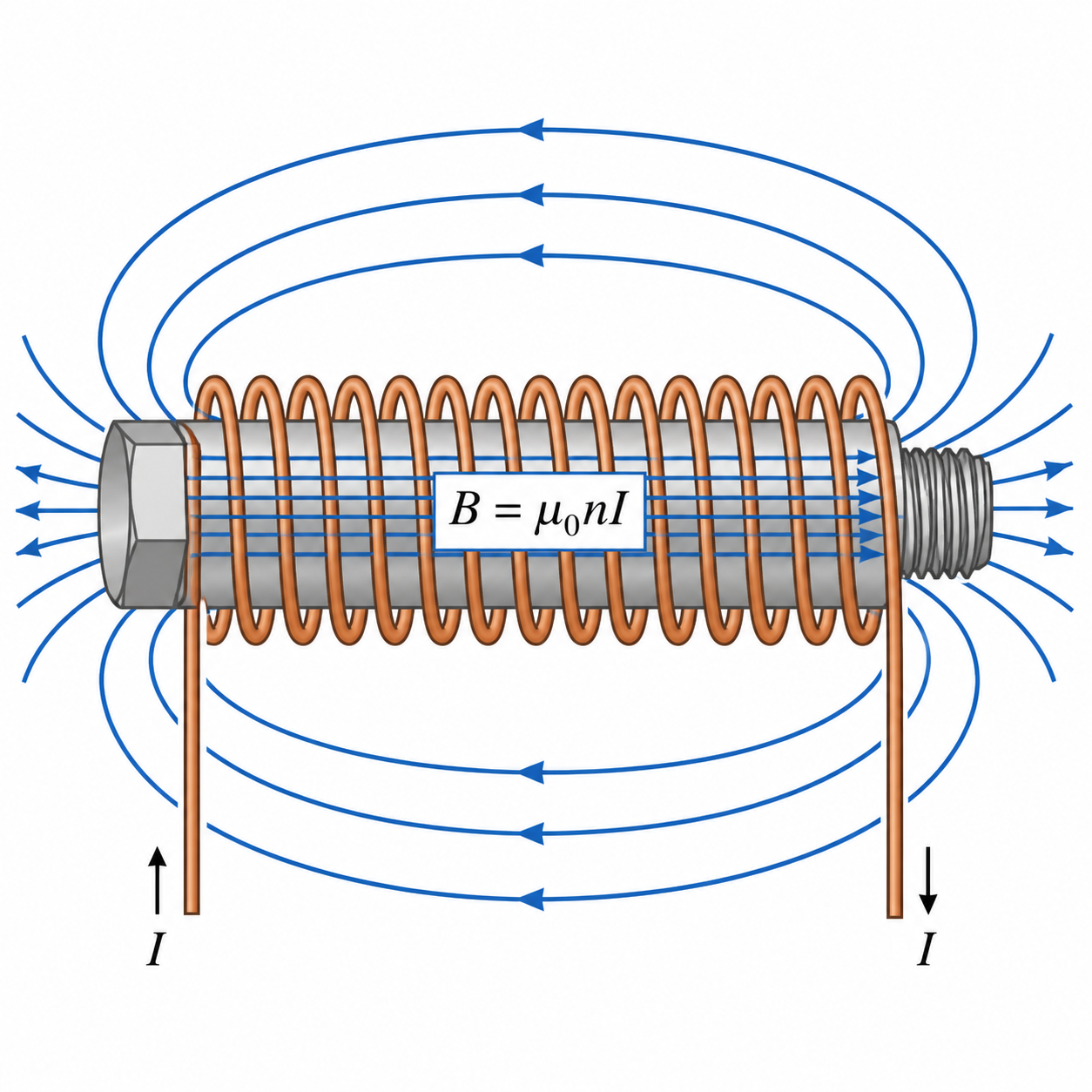
A wire with current produces a magnetic field around it. When the wire is wrapped into a coil, the magnetic fields from each loop add together. Putting an iron bolt inside the coil makes the field stronger because iron has higher magnetic permeability than air.

The magnetic field inside a solenoid can be estimated with B = mu0 n I. In normal words, more coil turns per metre and more current should make the magnetic field stronger. In my project, that should mean the crane can lift more washers.

Magnetic field lines around a coil and iron core
Magnetic field lines around the coil and iron core.
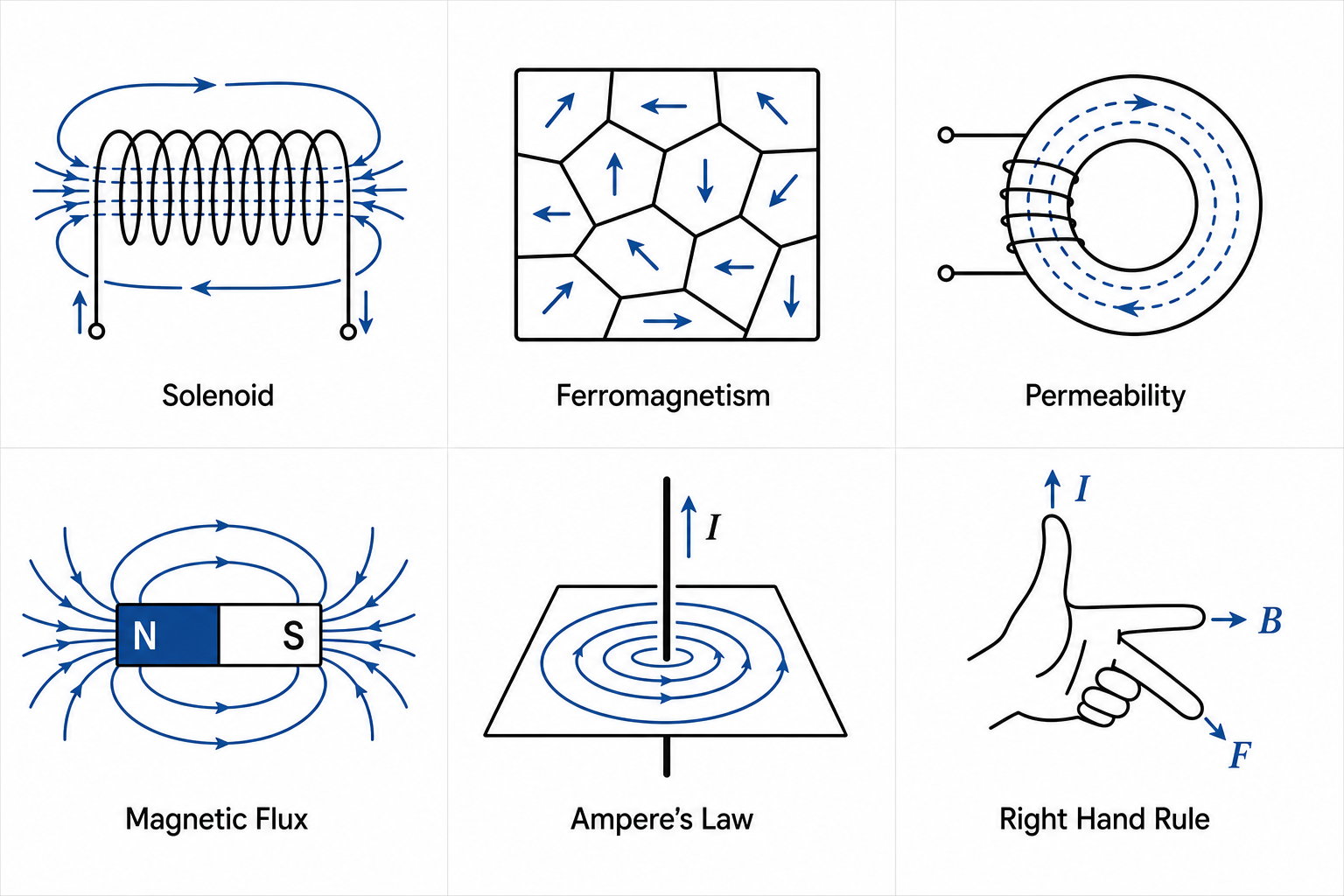
Physics icons showing solenoid, flux, and right hand rule
Key ideas: solenoid, ferromagnetism, permeability, flux, and the right hand rule.
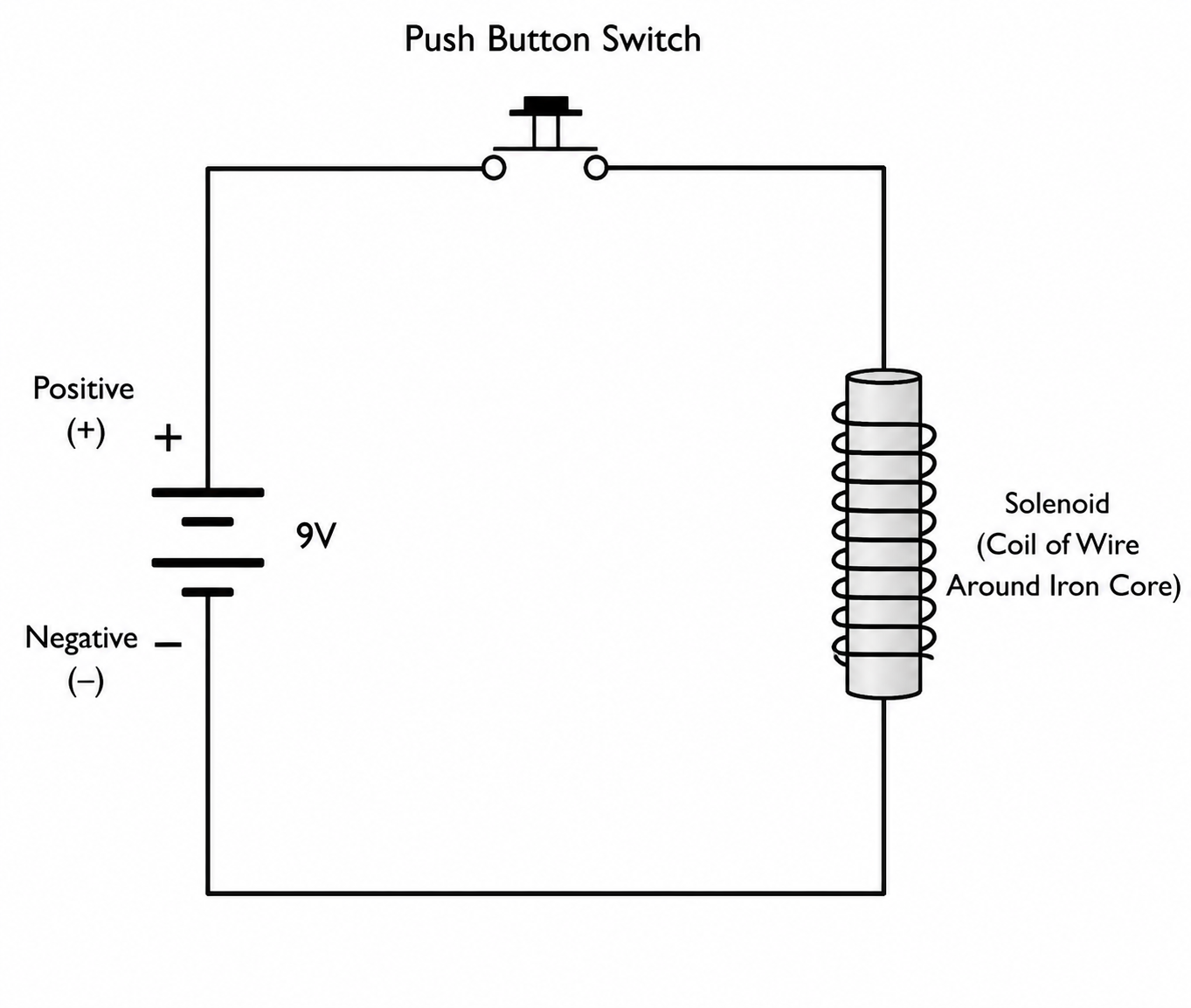
Simple circuit wiring diagram for the electromagnet
The simple circuit path from battery to switch to coil.
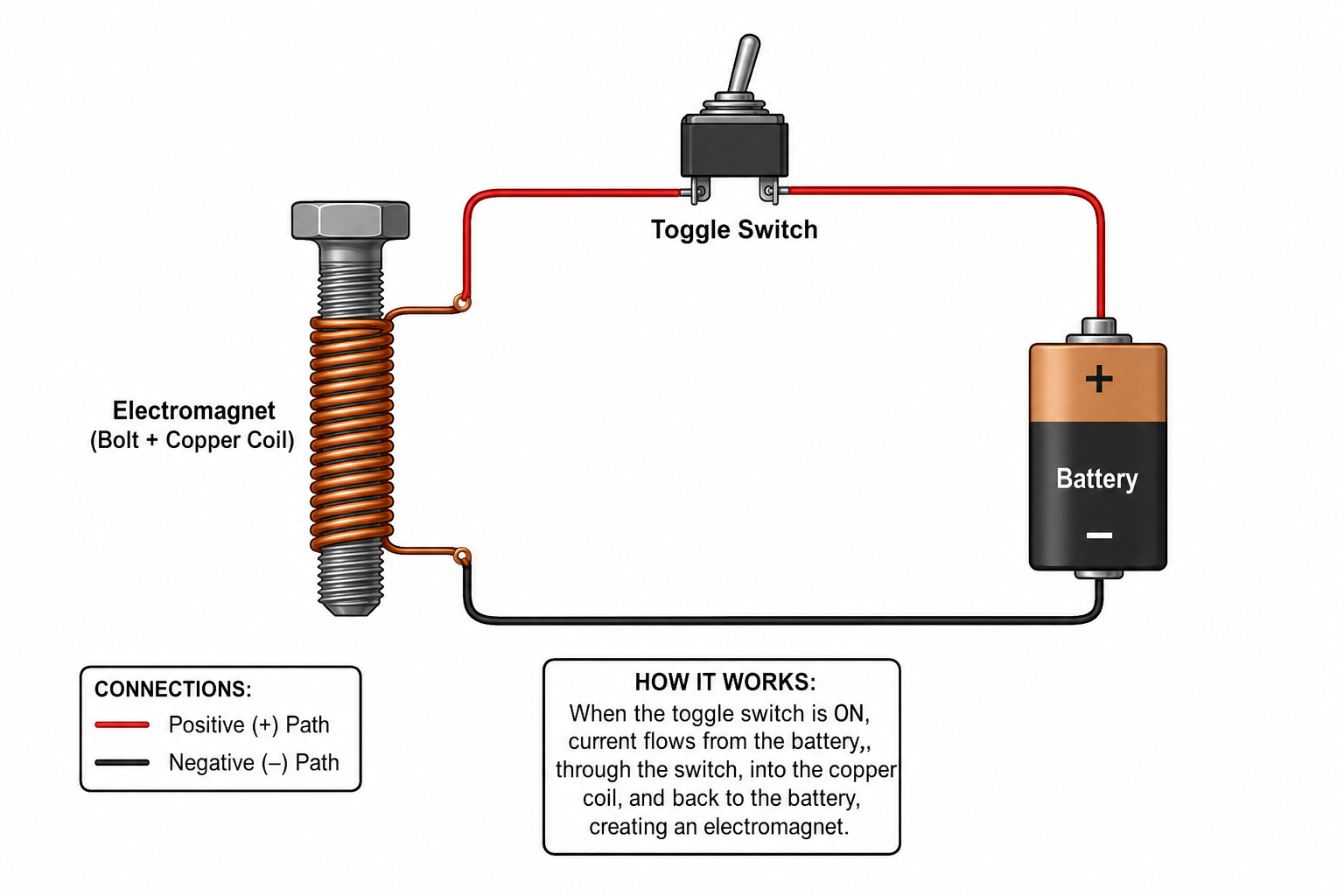
Detailed wiring diagram with toggle switch, battery, and electromagnet
A more detailed wiring diagram using the battery, switch, and copper coil.

Build Process

Prototype Photos

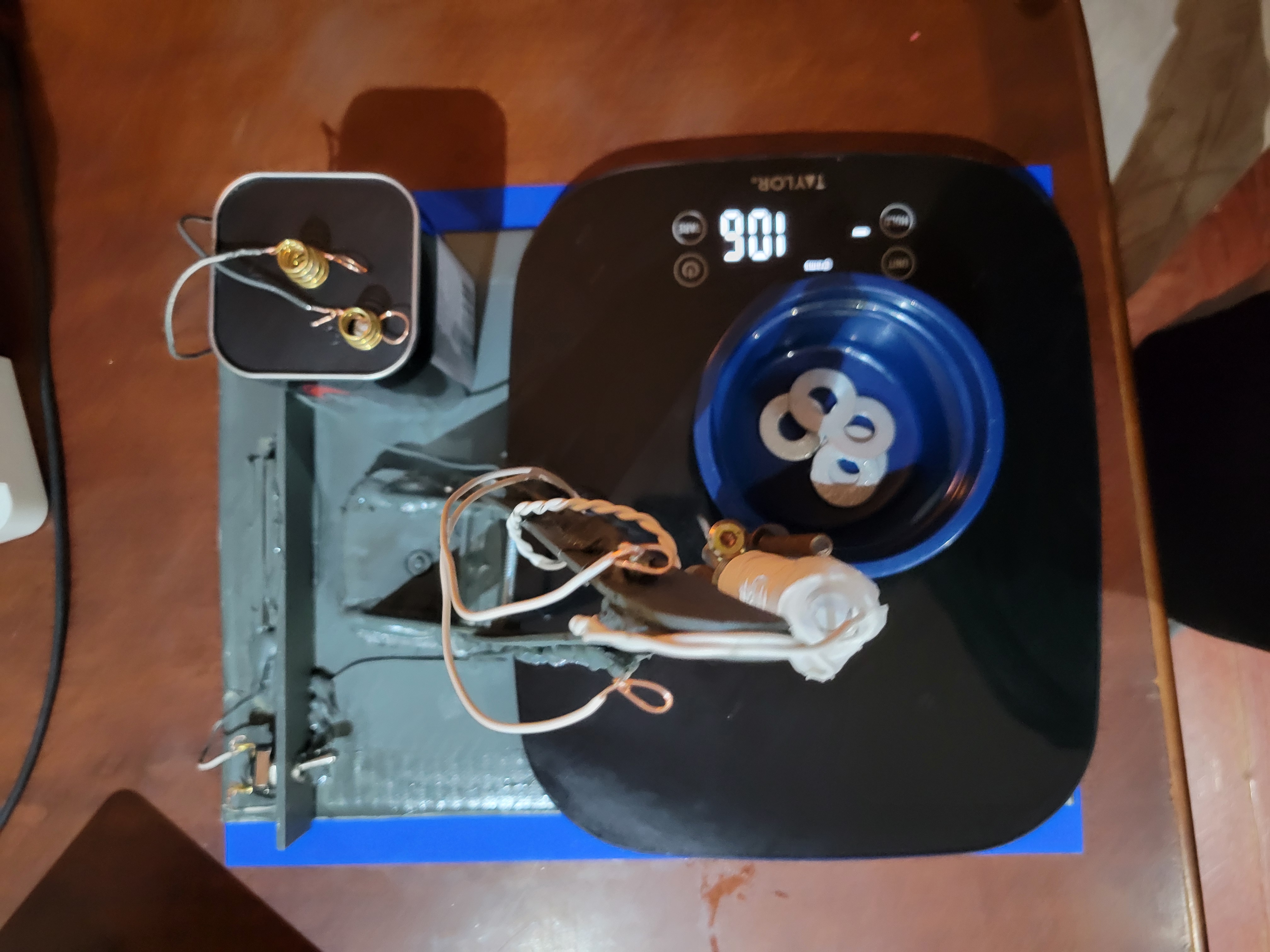
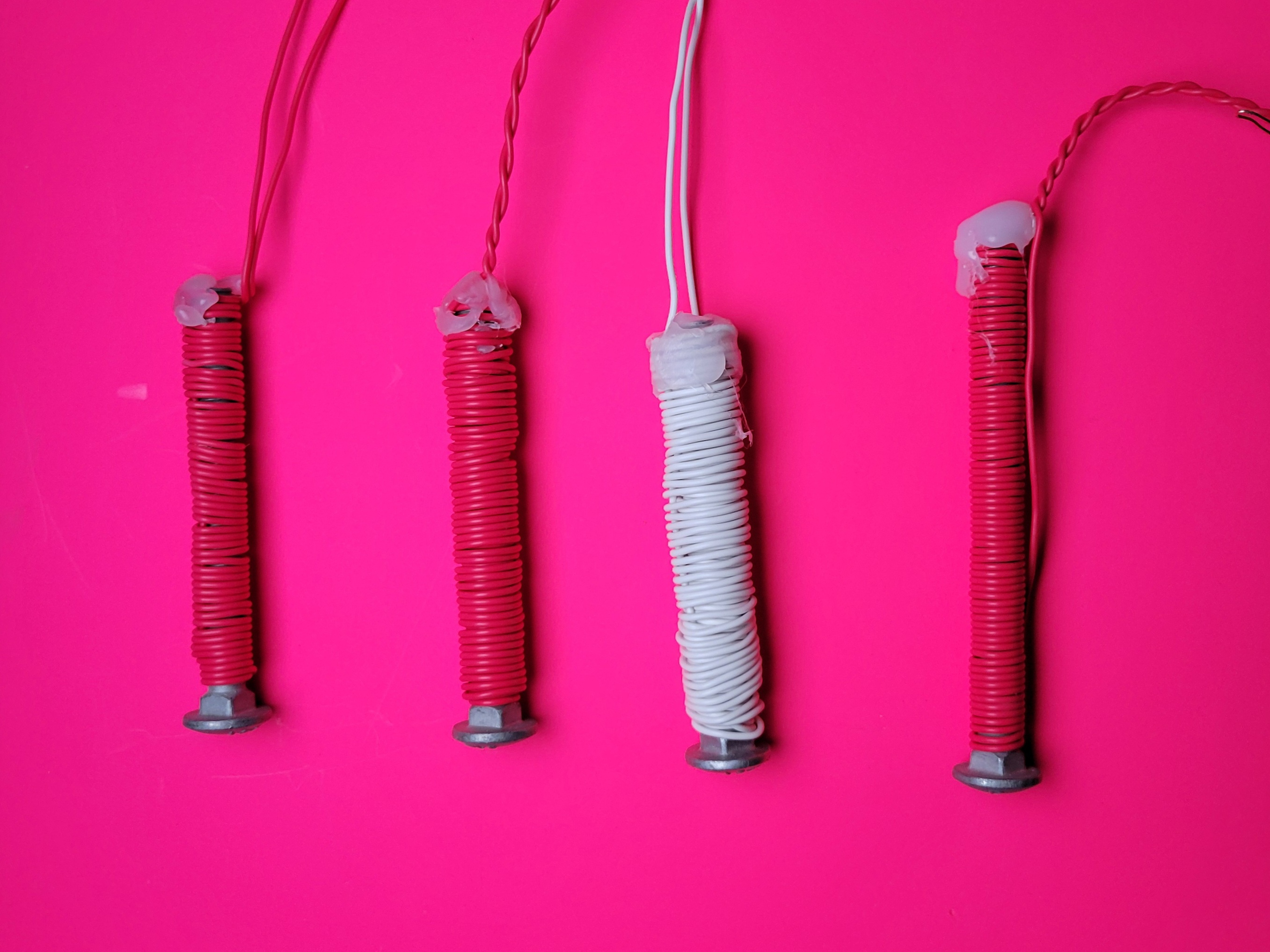
These photos show the actual model and the coil tests. I included the rough build photos because they show the real process: testing, fixing, and improving the crane instead of only showing the final version.

Testing

What I Found

Coil Turns

More turns made the electromagnet stronger. The 3-wrap coil lifted noticeably more than the 2-wrap coil because the magnetic field was stronger.

Current

More current should mean more field strength, but the battery also heated up and weakened during testing. That made the results less perfect, but still useful.

Core Material

The iron bolt worked better than a non-magnetic core because it gave the magnetic field a better path and helped concentrate the attraction at the end.

Contact Area

The washers lifted best when they touched the magnet directly. Even a small gap made the force much weaker.

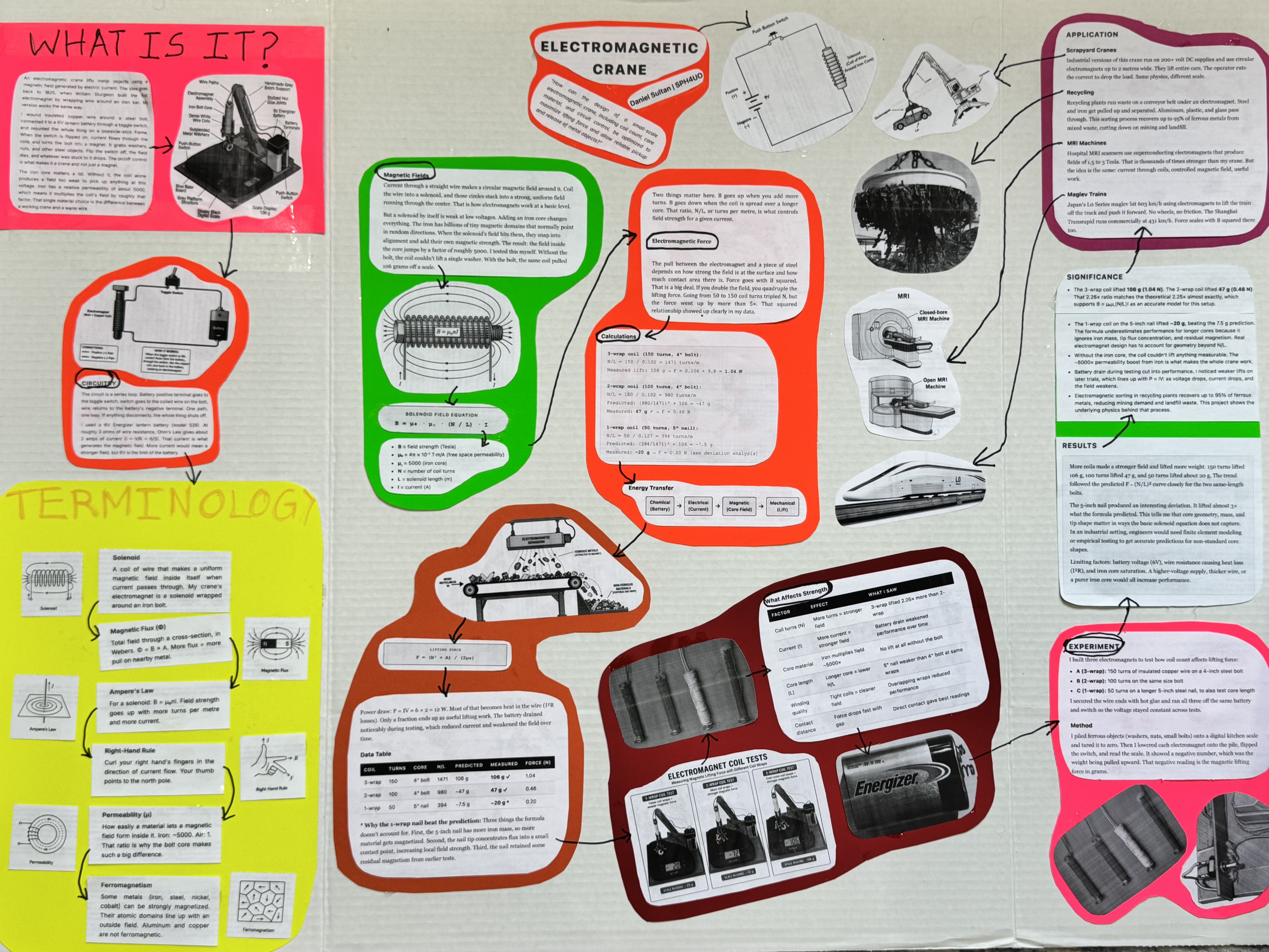
Electromagnetic Crane trifold display board with color-coded sections
My trifold display board with research, calculations, experimental data, and application examples.

Applications

Where Electromagnets Are Used

Large scrap yard electromagnet lifting metal

Scrap Yards

Electromagnetic cranes can lift steel and drop it when the current is turned off.

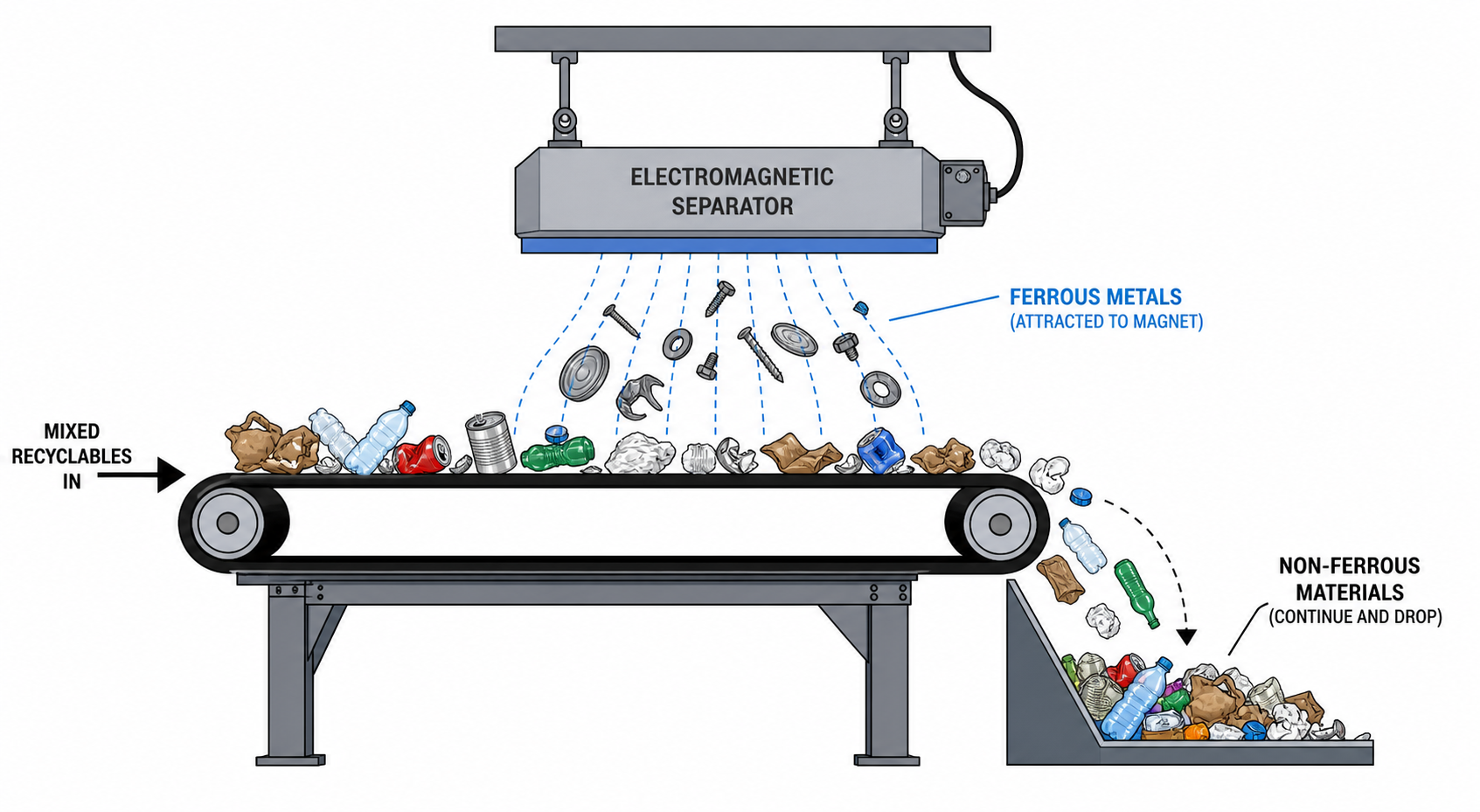
Electromagnetic separator pulling metal from mixed recycling

Recycling

Magnetic separators pull ferrous metal out of mixed materials.

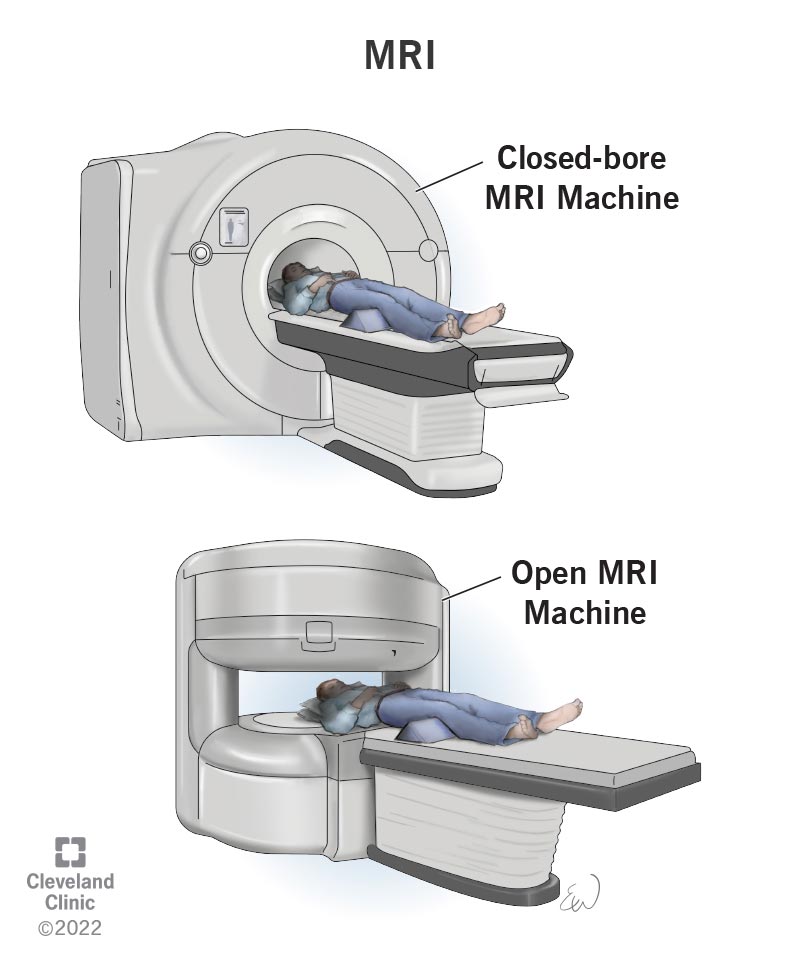
Closed and open MRI machine diagram

MRI Machines

MRIs use strong magnetic fields and controlled signals to create medical images.

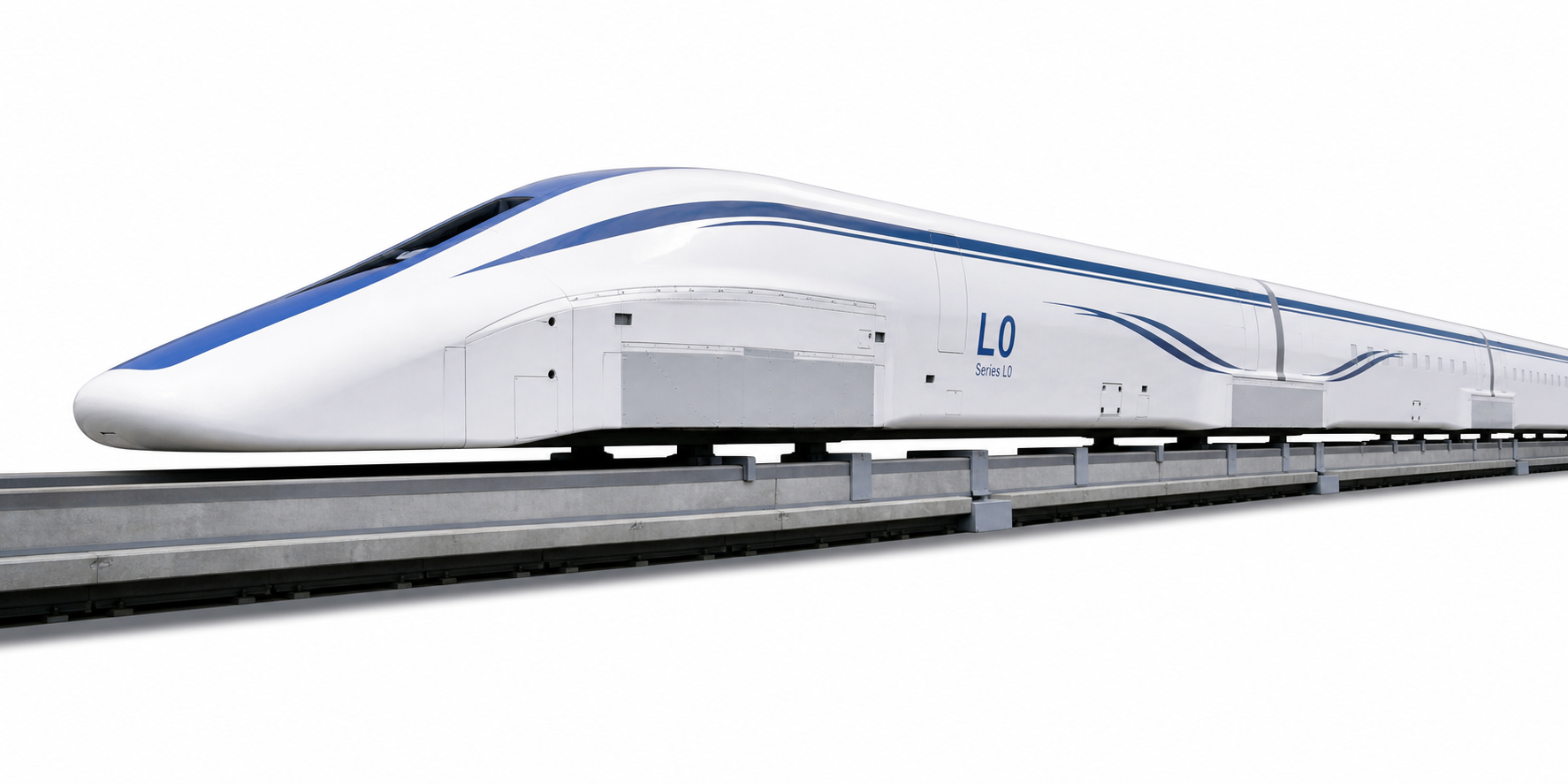
Maglev train on a track

Maglev Trains

Magnetic forces help lift and move trains with less friction than normal wheels.

Embedded Files

Project Documents and Source Files

I embedded the main project PDFs below and linked the extra source files so the website includes the full project package.